How to Scale From $10K to $100K to $1M a Month

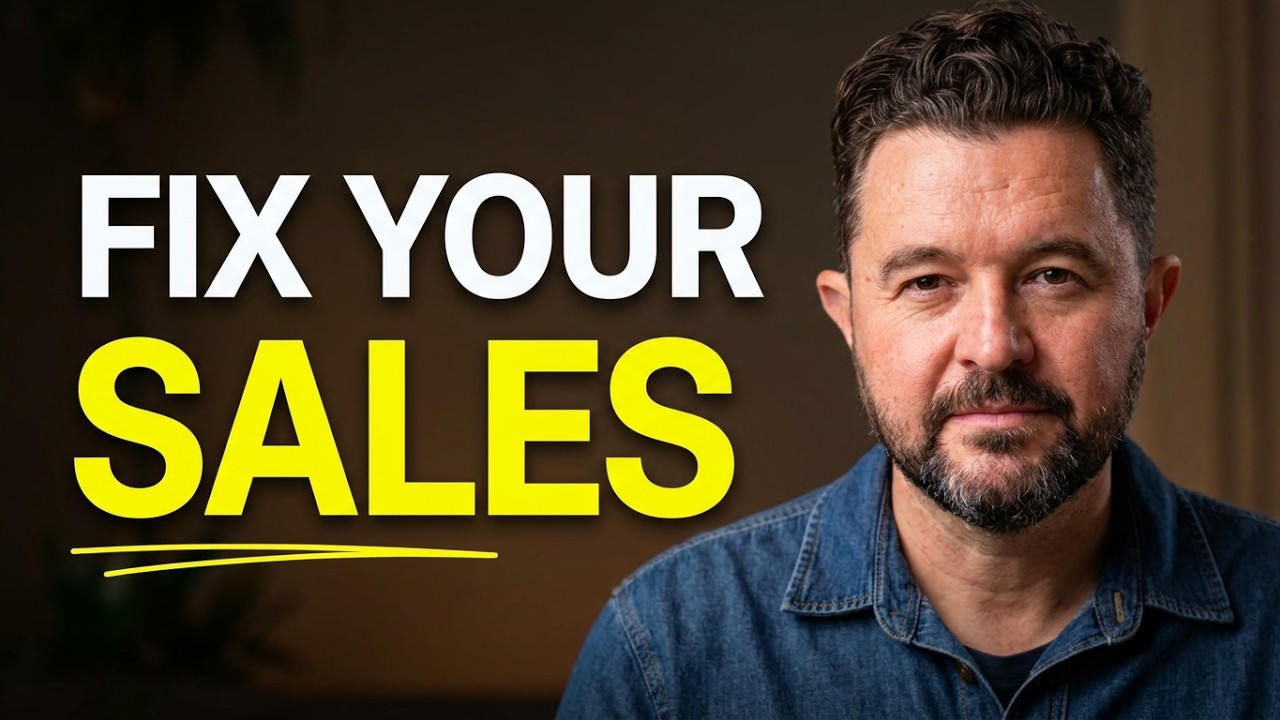
Ten thousand pounds a month, a hundred thousand a month, and a million a month are not the same business wearing different-sized clothes. They run on different mechanics entirely, and mixing up the playbook for one stage with the playbook for another is a fast way to stall out. ScoreApp co-founder Daniel Priestley, who has personally built and scaled businesses through all three of those milestones, breaks the stages down into distinct systems rather than a single scaled-up formula.
Most founders assume growth is just doing more of what already works, only harder and faster. Priestley’s experience across thousands of businesses points the other way. The bottleneck that holds a business back at ten thousand a month is rarely the same bottleneck holding it back at a hundred thousand, and the fix that gets someone unstuck at one stage can actively slow them down at the next.
Why the Three Stages Demand Different Tactics
Priestley has spent 25 years starting and scaling companies, has written seven books on entrepreneurship, and has worked directly with tens of thousands of business owners as a speaker, trainer, and coach. That vantage point across thousands of businesses is what led him to notice a pattern: the sales and marketing approach that gets a business to its first ten grand a month almost never scales cleanly to a hundred grand, and the approach that works at a hundred grand rarely survives the jump to a million.
Each stage has its own focus, its own bottleneck, and its own set of priorities. Trying to skip a stage, or applying the wrong thinking at the wrong stage, is one of the most common reasons growing businesses get stuck in place.
Ten Thousand a Month: Win With a Deep Diagnostic Conversation
At the ten-thousand-a-month stage, the typical business is doing something high-end for a small number of clients. Priestley points to a common shape: an agency-style business with four clients paying two and a half thousand a month each. Hitting that number does not require volume. It requires picking the right clients: people who are committed to a longer engagement and will not disappear halfway through.
The tool Priestley says is most powerful at this level is a long, detailed assessment, sometimes running to 30, 40, or even 50 questions, that digs into a prospect’s actual needs before any sales conversation happens. He built one himself, a 24 Assets Assessment that scored a business across two dozen digital assets and color coded each one red, yellow, or green. Once someone saw their own results, Priestley found the conversation about fixing the red areas practically sold itself, because the prospect had already diagnosed their own problem.
The maths at this stage is forgiving. A business only needs a handful of committed clients to hit ten thousand a month, so running 10 to 20 detailed assessments with hand-selected prospects, reached through direct outreach on LinkedIn or Instagram, is usually enough to land the four clients required. This kind of scorecard approach to winning the best clients who pay the most money works precisely because it filters for fit before anyone gets on a call.
This is also where a scorecard style tool earns its place early. Building a diagnostic assessment from scratch is time consuming, but a business owner can build a quiz funnel with ScoreApp in an afternoon using a template, then hand-pick the prospects worth sending it to.
A Hundred Thousand a Month: The Weekly Webinar Flywheel
Getting from ten thousand to a hundred thousand a month is a different problem. One-to-one selling does not scale, so Priestley’s answer is one-to-many: a weekly webinar. Businesses that run a consistent webinar with 10 to 100 attendees every single week tend to reach six figures a month faster than those relying on individual sales calls.
The structure Priestley describes is what he calls a perfect repeatable week: the same webinar, run on the same schedule, feeding the same follow-up process. That repeatability is the point. It forces the whole operation into a system rather than a series of one-off pitches, and Priestley says he has used this exact formula to build multiple businesses past the hundred-thousand-a-month mark.
Making the webinar work depends on a landing page that keeps improving: a sharper hook, a clearer value proposition, and a short registration form that asks five to ten questions about who the registrant is and what they are trying to solve. That data means the business already knows who is in the room before the webinar starts, which people are a strong fit worth focusing on, and which are not worth chasing hard. Behind that landing page sits a steady stream of content, usually a daily post on one or two platforms, with the best performers turned into paid ads to keep the pipeline full.
Priestley notes the ten-thousand-a-month assessment and the hundred-thousand-a-month webinar are not mutually exclusive. He often sends the online assessment to anyone who registers for a webinar, so the two systems reinforce each other rather than competing for attention. Anyone weighing which lever to pull first can look at a related breakdown on the five questions worth asking before a sales call to see how qualifying data changes a conversation before it even starts.
A Million a Month: It Becomes a People Problem
The jump to a million a month, in Priestley’s view, is no longer a marketing problem at all. It is a culture and hiring problem. Nobody reaches a million a month, or twelve million a year, without a team that is better than the founder in the areas that matter. The talent that a business needs at this stage usually is not available in the early days, but once the business starts to take off, it becomes possible to attract genuinely remarkable people.
The hiring technique Priestley uses is the same diagnostic logic applied to recruitment instead of sales. Candidates fill in an assessment before any interview happens, one that measures both a culture fit score and a skill score. That combination lets a business shortlist from 400 applicants down to the 10 worth a real conversation, without wasting anyone’s time on interviews that were never going to go anywhere. It takes much of the pain out of a process that usually eats weeks of a founder’s calendar.
What ties all three stages together is that each one leans on the same underlying idea: turning a simple set of questions into a clear, structured signal, whether that signal is client fit, webinar readiness, or culture and skill match. A related look at how one diagnostic tool can support that many use cases at once is worth reading in this piece on building a multi-million-pound business with a single tool.
Matching the System to the Stage
Priestley’s advice for choosing where to focus is refreshingly simple. Starting out, build an assessment first, because it filters for quality over quantity when volume is scarce. Once a business is already earning ten thousand a month, the webinar is the lever to pull to reach a hundred thousand. And once a hundred thousand a month is consistent, hiring becomes the constraint standing between that business and a million.
None of this requires building separate software for each stage. A scoring and segmentation platform can run the client-winning assessment, power the webinar registration page, and screen job applicants using the same underlying logic. Ready-made templates for all three exist inside the ScoreApp template library, alongside an AI builder that turns a short prompt into a working campaign, so getting one of these systems live does not need to start from a blank page.
What makes this framework useful is that it removes the guesswork about what to build next. A founder stuck at ten thousand a month does not need a bigger ad budget or a flashier brand; they need a sharper filter for who they take on as a client. A founder stuck at a hundred thousand a month does not need more one-off sales calls; they need one repeatable weekly event that does the selling for them. And a founder stuck below a million does not need to work more hours personally; they need a way to find and shortlist the right people faster than a stack of unread CVs ever could.
For anyone stuck at a plateau right now, the fastest diagnostic is an honest one: figure out which of the three stages actually describes the business today, then build the system that matches it rather than borrowing a tactic built for a different stage entirely. A business owner ready to move past the guesswork can try ScoreApp free and have a working assessment, webinar landing page, or hiring filter live within a day.