How scorecard marketing works in practice: Carly Meyers ran the experiment so you don’t have to

Most businesses don’t have a traffic problem. They have a lead quality problem.
That’s not our line. It’s Carly Meyers’ – an AI and automation coach with a sharp eye for what actually works. When she heard the claims about scorecard marketing, she didn’t take them at face value. She built the assessment, turned on the AI builder, and ran real traffic to it. Then she came back and reported honestly on what changed.
If you’ve been wondering whether scorecard marketing is worth the setup, this is the breakdown you need.
The video below is her unfiltered take.
The problem Carly was trying to solve
Before the scorecard, Carly had what a lot of coaches have: a YouTube channel driving opt-ins, a general PDF lead magnet, and a calendar that filled up with people who were curious but not committed.
“They were kind of like freebie seekers,” she said. “Just having a little dabble to see what they could get for free.”
The problem wasn’t volume. It was quality. She was spending her life on Zoom calls in discovery mode – figuring out whether someone was a fit at the point when she should already know.
If that sounds familiar, you’re in good company.
What scorecard marketing actually does
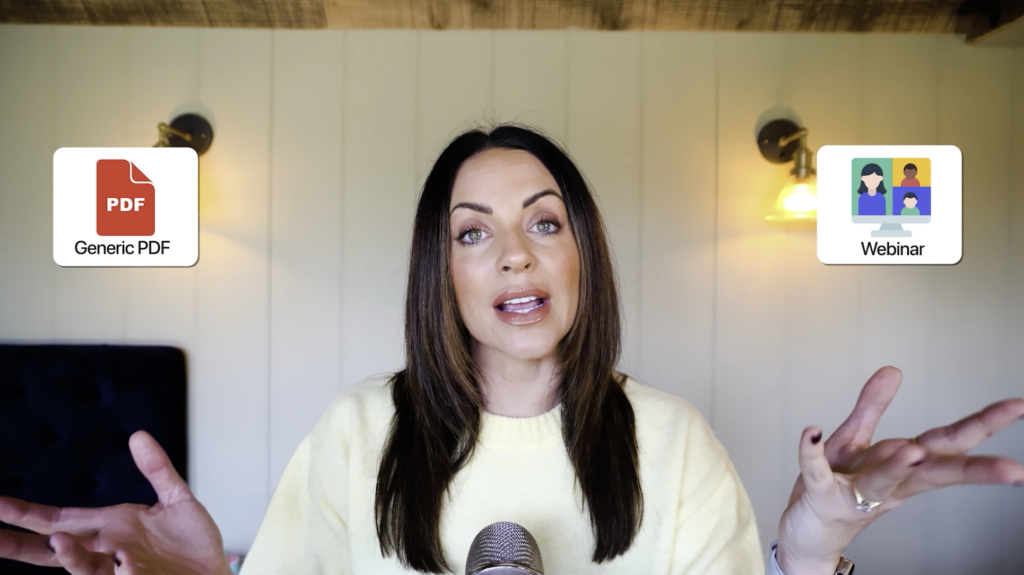
The core idea is straightforward. Instead of giving everyone the same PDF or routing them into the same webinar, a scorecard diagnoses them. It asks targeted questions, scores their answers, and delivers a personalized result.
That word – personalized – is doing a lot of work here. Not in a vanity sense, but in a functional one. When someone sees their own result staring back at them, something shifts.
“When marketing feels personal, that’s when resistance drops. We’re in a trust recession. Hyper-personalization is the best way to close that gap.” – Carly Meyers
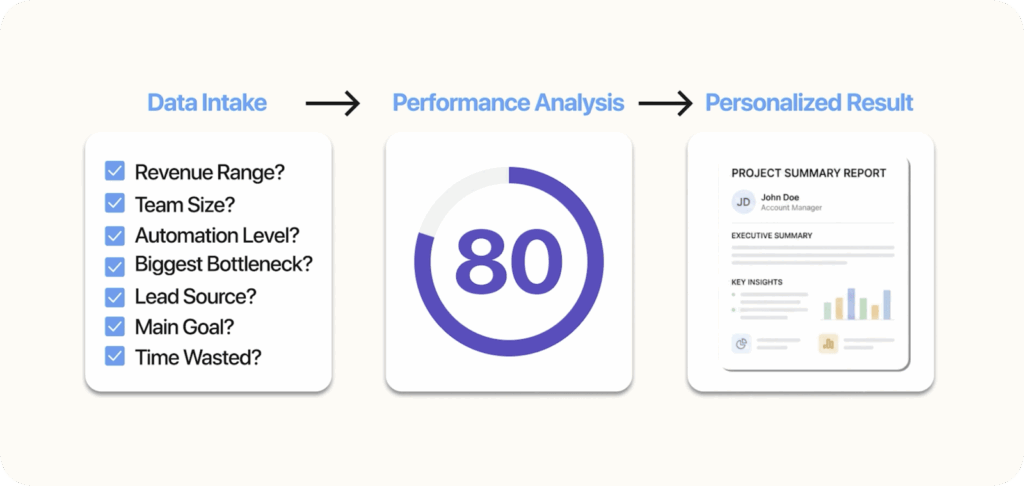
The questions themselves start qualifying people before they’ve even seen a result page. As they answer, they’re identifying their own gaps – sometimes for the first time. By the time they submit, they already know what their problem is. That changes the entire dynamic of every conversation that follows.
What changed on the sales calls
This is where Carly’s test got interesting. The lead volume wasn’t the headline. The quality was.
She described the before clearly: discovery calls full of surface-level questions, time spent establishing basics, leads who weren’t clear on what they needed or whether she was the right fit. The fluffy stuff, as she put it, that drains your soul.
After the scorecard? She already knew their weakest area before the call started. She had their answers. She knew where they were in their journey. The conversation started somewhere completely different.
“I’m not trying to tell someone they have a problem. No one wants to hear that. I’m expanding on a diagnosis they’ve already accepted.” – Carly Meyers
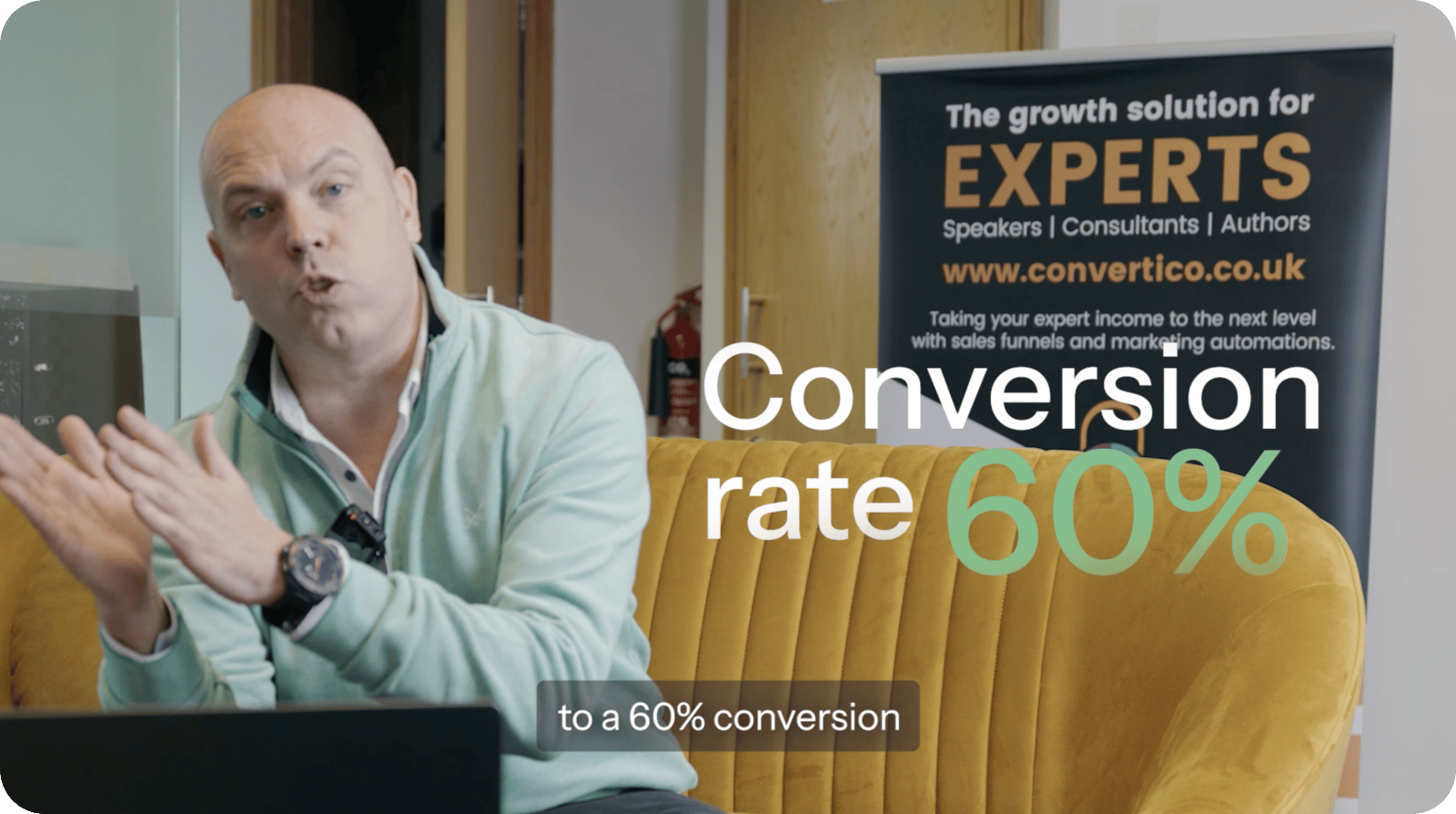
The result: fewer questions, faster trust, and conversations that got to the point of decision much quicker. In her words, the people on her calls were already 80% sold.
The honest verdict
Carly was clear about what ScoreApp won’t do. It won’t fix weak positioning. It won’t magically generate traffic. And it won’t replace good copy.
But if you know your audience, have a clear offer, and can get people to your scorecard – it’s one of the most effective ways to ensure the leads that come through are actually worth your time.
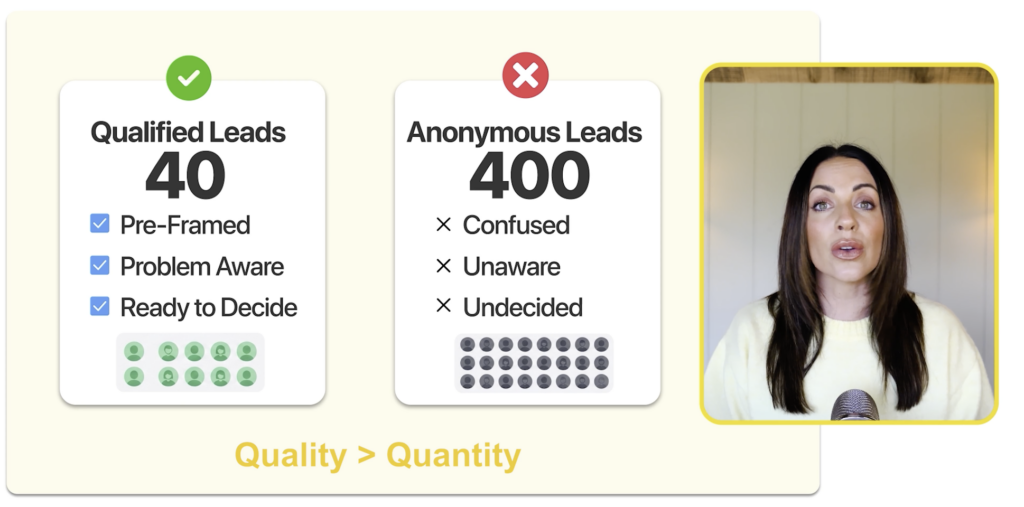
She put it simply:
“I’d genuinely rather have 40 super qualified leads who know exactly what they need than 400 anonymous leads who have no idea whether I’m the right fit.” – Carly Meyers
Tools amplify strategy. They don’t replace it. If you’re a coach, consultant, or agency owner selling high-ticket services, that’s the framing that matters.
Who this works best for
Using ScoreApp in this way, how Carly does it, to both filter her audience (lead qualification) and get them ready (turning them into warm leads) to work with her is well-suited to:
- Business coaches and consultants with high-ticket offers
- Agency owners who want to qualify clients before discovery calls
- B2B service businesses where fit matters as much as volume
- Authority-led businesses where personalization builds trust at scale
Who this doesn’t work for
It’s not the right fit if you’re a direct to consumer ecommerce business selling volume (although if that is your business, you can use ScoreApp in a different way, by helping customers online to narrow their purchasing choices) or if you don’t yet have clear positioning yet (in which case here’s how to run a market research campaign with ScoreApp, allowing you to gain insights that will sharpen your messaging).
Your next step: “do what Carly did”
Time needed: 30 minutes
- Build your scorecard with the AI builder
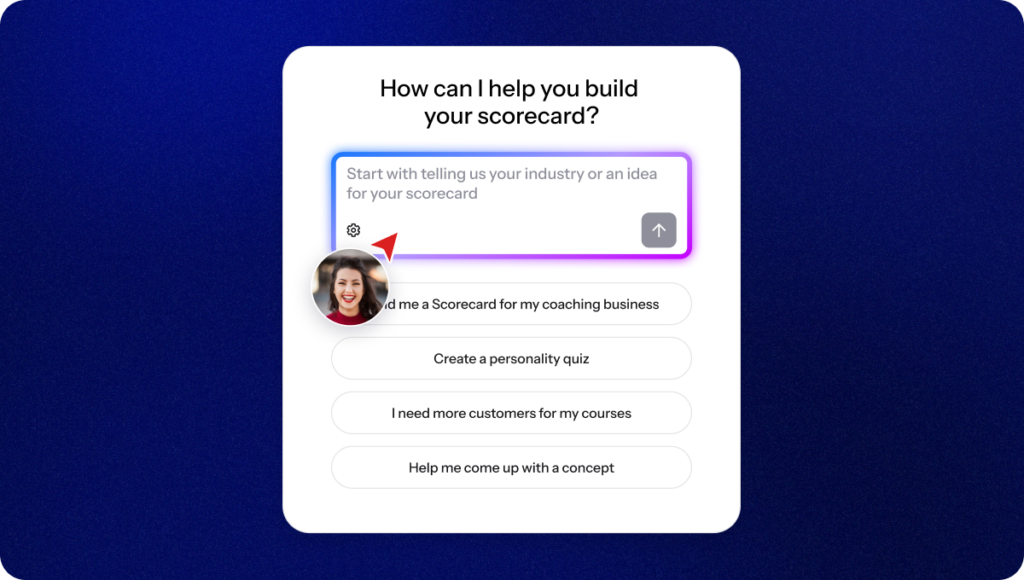
Tell it what your business does, who you help, and what you’re qualifying for — then let it generate a smart first draft (questions + scoring + structure).
- Add “fit + readiness” questions (the ones you wish people answered before the call)
Keep it simple: goals, constraints, urgency, budget/investment comfort, and what they’ve already tried. Your scorecard should filter and warm at the same time.
- Route people to the right next step — based on their result
Great fit + ready? Invite them forward. Not ready yet? Give them a clear “next best step” that nurtures them without wasting your calendar.
ScoreApp is the platform behind Carly’s assessment – built specifically for scorecard marketing, with an AI builder that takes most of the heavy lifting off your plate.
If you want better leads, not just more leads, it’s worth testing.
Frequently asked questions about scorecard marketing
Scorecard marketing uses an interactive assessment to attract leads, qualify them based on their answers, and deliver a personalized results page. Rather than sending everyone to the same PDF or webinar, it shows each person where they stand – and gives them a natural reason to take the next step with you.
It works best when you have a clear offer and a defined audience. As Carly Meyers found, the biggest change isn’t lead volume – it’s lead quality. Prospects arrive on sales calls having already identified their own gaps, which changes the entire dynamic of the conversation.
It works particularly well for business coaches, consultants, and agency owners with high-ticket service offers – anyone where fit and readiness matter as much as volume. It’s less suited to high-volume, low-ticket e-commerce.
A standard lead magnet (PDF, checklist, ebook) gives everyone the same thing. A scorecard gives each person a personalized result based on their specific answers – which means the leads who come through are already engaged, self-qualified, and open to a conversation.