Build This Once and Let It Sell for You: The Customer Needs Analysis That Converts

Most businesses pitch their services based on guesswork. They schedule sales calls, deliver their best presentation, and hope something sticks. But what if you could know exactly what each prospect needs before you ever speak with them?
A customer needs analysis changes everything. This simple assessment tool lets potential clients tell you precisely where they’re struggling, what they need most, and how ready they are to buy. When someone completes a well-designed scorecard, they gain clarity about their own situation while you gather the insights needed to close more sales.
What Makes Customer Needs Analysis So Powerful
The magic happens when prospects see their results displayed as a clear visual breakdown. They can instantly identify their strengths and weaknesses across different areas of their business or life. This clarity creates urgency because people finally understand what’s holding them back.
For you as the business owner, this eliminates guesswork entirely. Instead of making generic pitches, you can focus your sales conversations on the specific areas where each prospect scored lowest. Thea Brook lifted her close rate from 30% to 80% using exactly this approach.
The assessment also acts as a natural filter. People who complete your scorecard are genuinely interested in solving their problems. They’ve invested time thinking about their challenges, which means they’re much more likely to invest money in solutions.
When prospects have scattered thoughts about their challenges, they know something isn’t working but can’t pinpoint exactly what needs attention. Your assessment organizes their thinking and creates clarity about priorities. This clarity makes them much more ready to invest in solutions because they finally understand what needs fixing.
The Five-Driver Framework for Building Your Assessment
Creating an effective customer needs analysis starts with understanding the outcome your ideal clients want to achieve. Every business exists to deliver a specific result, whether that’s growing revenue, improving health, building relationships, or mastering new skills.
Once you’ve identified that core outcome, break it down into five key drivers that make success possible. These drivers become the foundation of your assessment and help you understand where each prospect excels or struggles.
The human brain already contains all this information about someone’s situation. However, it’s only when you ask targeted questions and keep track of the responses that people get a clear picture of what’s actually happening in their lives or businesses. The assessment makes their situation black and white.
Example: Personal Finance Assessment
Let’s say you help people achieve financial independence. Your outcome might be “retire rich” or “achieve financial freedom.” The five drivers could include:
- Earning power and income optimization
- Saving habits and expense management
- Investment strategy and portfolio growth
- Risk protection and insurance coverage
- Financial peace of mind and enjoyment
Each driver needs five targeted questions that reveal whether someone is strong or weak in that area. For earning power, you might ask about recent pay increases, industry positioning, or skill development. Questions could explore what percentile they earn in their industry or whether they’re maximizing their current skill set.
For saving habits, questions could cover automatic savings systems, separate account structures, or spending priorities. The goal is understanding whether this driver contributes to or detracts from their ultimate outcome.
Crafting Questions That Reveal True Needs
The quality of your questions determines the value of your assessment. Each question should help you understand whether someone excels or struggles in a specific driver area, providing nuanced insights rather than simple yes-or-no answers.
Avoid leading questions that push people toward specific answers. The goal is honest self-assessment, not manipulation. Trust that genuine insights will lead to better sales conversations and stronger client relationships.
For a business growth assessment, instead of asking “Do you have a marketing plan?” try “How confident are you in your ability to consistently attract new customers?” This approach uncovers both current performance and confidence levels, giving you deeper insights into their actual situation.
Consider questions that explore recent actions and results. “When was the last time you had a significant pay increase?” reveals more than “Do you think you earn enough money?” The first question anchors responses in concrete reality rather than subjective feelings.
Setting Up Your Scorecard for Maximum Impact
Once you’ve developed your questions, stop chasing more leads and start qualifying better ones by implementing your assessment strategically.
Name your assessment using the outcome plus “scorecard” or “assessment.” Examples include “Business Growth Scorecard,” “Retirement Readiness Assessment,” or “Marketing Effectiveness Audit.” You could also use creative names like “Wheel of Wealth” or “Success Spider Graph” that capture attention while clearly communicating purpose.
The results should display as a spider graph or wheel that visually shows scores across all five drivers. This visual element is crucial because it makes strengths and weaknesses immediately obvious to prospects. The connected dots create a clear pattern that people can understand at a glance.
Make sure your scoring system actually reflects reality. If someone answers all questions perfectly, they probably don’t need your services. Your assessment should identify real areas for improvement in most cases, helping people recognize where they need support.
Try ScoreApp free to see how easy it is to create professional assessments that convert prospects into clients while providing genuine value.
Using Assessment Results to Close More Sales
The real power comes from how you use the results in your sales process. Instead of generic presentations, you can focus entirely on the areas where each prospect scored lowest. This targeted approach feels consultative rather than salesy because you’re addressing their specific situation based on information they provided.
When someone scores high on earning but low on saving and investing, your conversation becomes laser-focused on those specific weaknesses. You’re no longer guessing what matters to them because they’ve shown you exactly where they need help.
This approach builds trust and demonstrates your expertise because you’re speaking directly to their revealed pain points. Prospects feel understood rather than sold to, which creates the foundation for long-term client relationships.
The assessment results also provide natural conversation starters and follow-up opportunities. You can reference specific scores and responses throughout your sales process, making each interaction feel personalized and relevant.
The Clarity Factor in Action
People often have “aha” moments when they see their results laid out clearly. They might realize they’re strong in technical skills but weak in business development, or excellent at saving money but terrible at investing it wisely.
This clarity transforms the sales conversation from “Why should I buy?” to “How can you help me fix this specific problem?” The shift in mindset makes closing sales much easier because prospects are already convinced they need help in particular areas.
The visual nature of the spider graph makes these insights even more powerful. When someone sees their graph has a major dent in one area, they can’t ignore or rationalize away the weakness. The visual evidence creates urgency to address the problem.
Positioning Your Assessment in Your Marketing Funnel
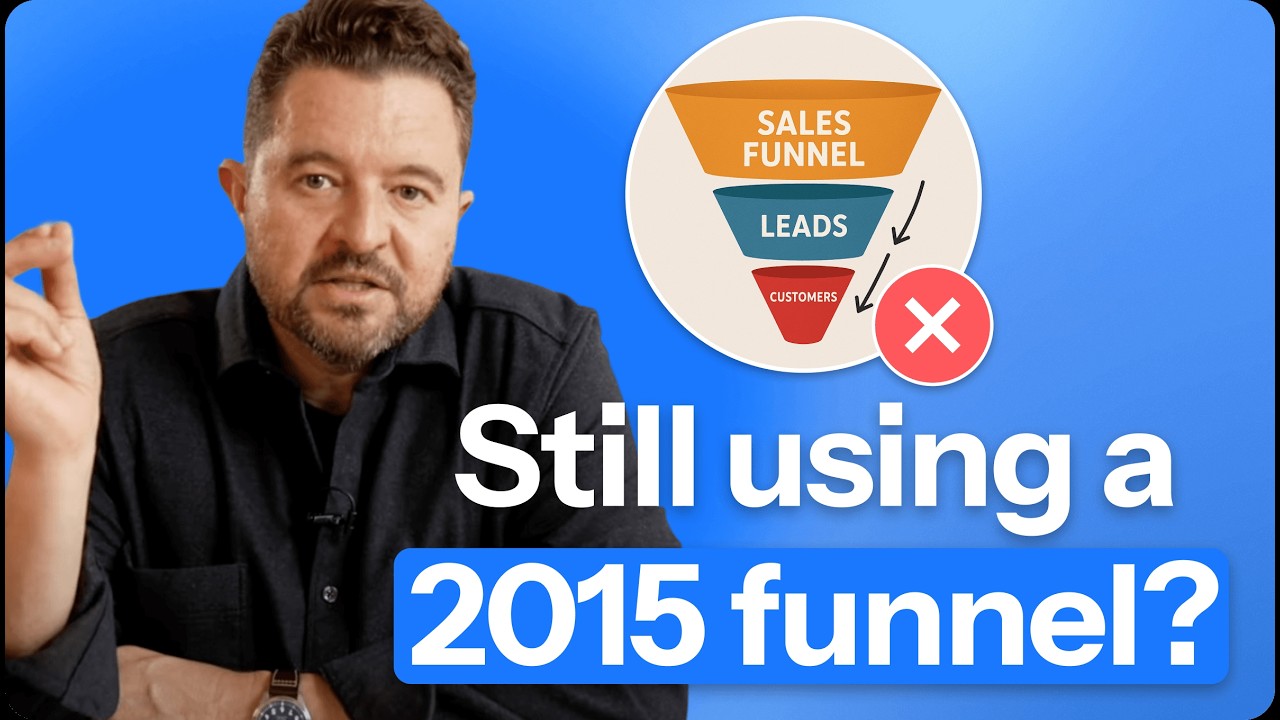
Customer needs analysis works best as a bottom-of-funnel tool. Place it after people have shown initial interest through content consumption, email signup, or website engagement. This positioning ensures you’re working with qualified prospects who are already considering solutions.
You can offer the assessment before sales calls to pre-qualify prospects and gather insights for more effective conversations. Some businesses use it as a standalone lead magnet, while others integrate it into their consultation booking process.
One ScoreApp assessment qualified 117 prospects without ads by providing genuine value while identifying the most sales-ready leads. The key is making the assessment valuable enough that people want to complete it for their own benefit.
Consider offering the assessment at multiple touchpoints in your funnel. You might use a shorter version as an early lead magnet and a more comprehensive version before sales calls. This approach lets you gather increasingly detailed information as prospects move through your funnel.
Common Mistakes to Avoid
Don’t make your assessment too long or complex. Twenty-five questions across five drivers is usually sufficient to gather meaningful insights without overwhelming prospects. Remember that completion rates drop significantly as assessments get longer.
Avoid making all questions mandatory if some might not apply to everyone. Give people the option to skip questions that aren’t relevant to their situation, but make sure you have enough responses to generate meaningful scores.
Don’t ignore the follow-up process. The assessment is just the beginning of the conversation, not the end. Have a clear plan for how you’ll use the results to continue engaging prospects and moving them toward a purchase decision.
Resist the temptation to make your assessment overly promotional. The value should come from the insights people gain about themselves, not from learning about your services. Save the sales pitch for the follow-up conversations.
Maximizing Long-Term Value
Your customer needs analysis becomes a valuable business asset that works continuously. Once built, it can qualify prospects, generate leads, and improve sales conversations for years. The initial time investment pays dividends through improved conversion rates and better client relationships.
The insights you gather also help refine your service offerings. When you see patterns in where most prospects struggle, you can develop targeted solutions for those common pain points. This data-driven approach to product development ensures you’re creating services people actually want to buy.
Audience segmentation becomes your funnel superpower when you use assessment data to create targeted follow-up campaigns and personalized offers. You can automatically tag people based on their scores and deliver customized content that addresses their specific weaknesses.
Consider creating different versions of your assessment for different market segments or service offerings. A business coach might have separate assessments for startups, established businesses, and enterprises, each focusing on the challenges most relevant to that audience.
Understanding how to achieve product-market fit becomes easier when you have detailed data about what your prospects actually need versus what you think they need. The assessment results provide objective feedback about market demand for different solutions.
Start by mapping out the outcome your clients want to achieve, identify the five key drivers that make it happen, and develop five questions for each driver. Set up your scorecard to display results visually, then use those insights to have more effective sales conversations.