
Here’s a number worth sitting with.
The average ecommerce conversion rate is somewhere between 1% and 5% (depending on category, device, and traffic source). Which means for every 100 people who visit your store, somewhere between 95 and 99 leave without buying.
Most brands respond by spending more on ads, tweaking button colors, or running another discount. And the numbers barely move.
I’ve spent nearly 20 years working inside high-growth ecommerce brands, as ecommerce director, marketing director, commercial director, and CEO. I’ve been in rooms where we’ve argued about whether to increase ad spend or run incentives to improve conversion. I’ve watched businesses scale fast and then hit a ceiling because they didn’t actually know their customers well enough to keep them.
The pattern I keep seeing? Brands know what their customers bought. They rarely know why. And closing that gap is what this is about.
In the video below, I walk through the full blueprint. Or read on. I’ll cover the key ideas here.
In this post
- Why decision fatigue wrecks ecommerce conversion
- What customer intent data actually is
- 3 ways to collect zero-party data (without annoying people)
- The 30-minute next step (templates + setup)
The silent killer of ecommerce conversion
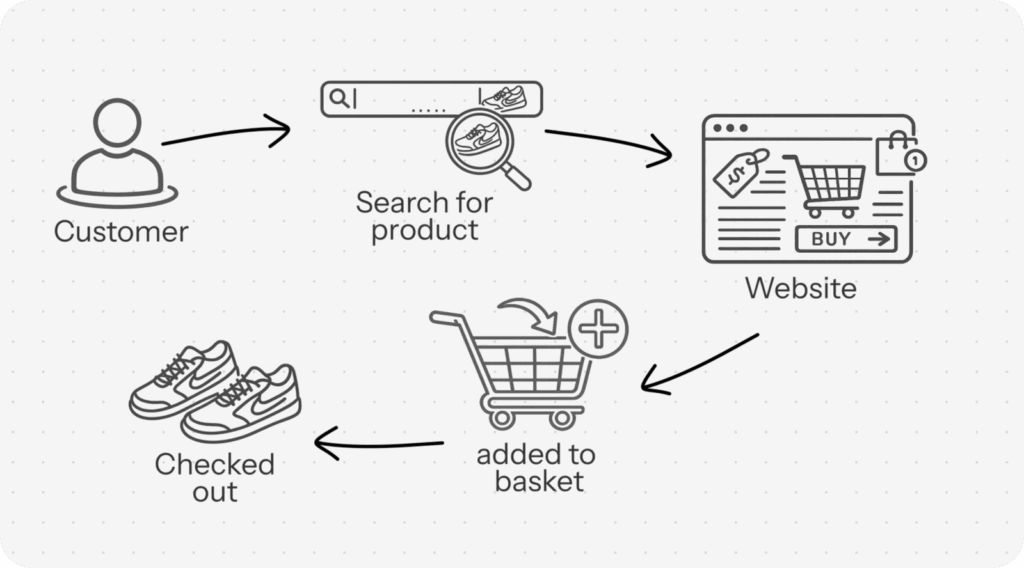
When was the last time you bought something online that felt genuinely seamless? Not fine. Not “I managed.” Seamless – where you searched for what you wanted, clicked a link, saw the product, added it to cart, and checked out.
Almost never, right? And the reason is almost always the same: too much choice.
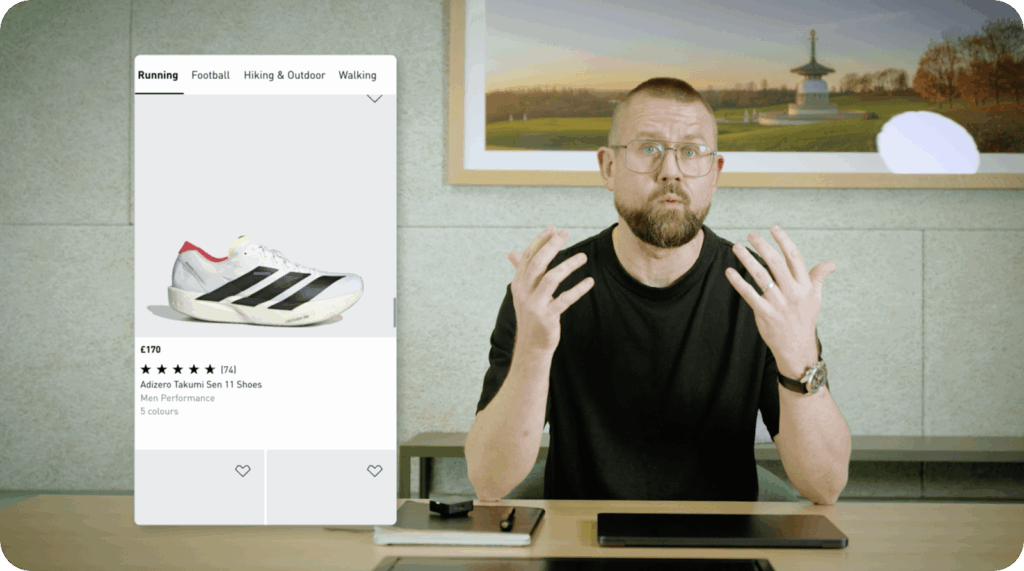
Too much choice across the product range. Too much navigation between products and categories. Too many tabs open with other websites. Too many decisions. And when a customer hits that state – when they’re overwhelmed by options and can’t figure out what’s right for them – something happens.
They get decision fatigue.
Decision fatigue is the silent killer of ecommerce conversion. It’s the moment a customer goes from “I want to buy something” to “I’ll figure it out later.” And later usually means never.
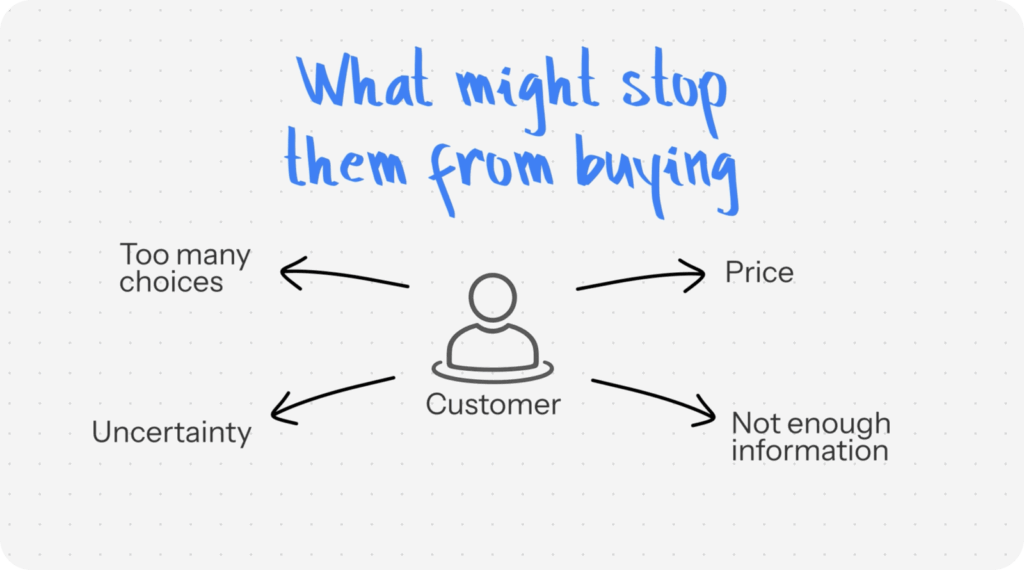
You’ve spent money on ads to bring customers to you. You’ve invested in a beautiful website. You’ve briefed influencers and worked on your SEO. And then your customer stares into the abyss of your product catalog and leaves. That’s the problem. And it’s the real reason ecommerce sites generally convert at less than 5%.
The question almost nobody asks
Here’s what makes this solvable.
Those 99 people who left? They weren’t necessarily uninterested. Many of them were actively considering buying – they just couldn’t figure out what to get. What if the visitor who browsed three products and left could tell you which one they were considering and why they hesitated? What if the person who spent eight minutes on your site could tell you exactly what they were looking for and why they didn’t buy?
That’s not a fantasy. That’s what customer intent data is.
Brands know what their customers bought. They rarely know why. That gap is what this is about.
What customer intent data actually is
Let me be clear about what it isn’t first.
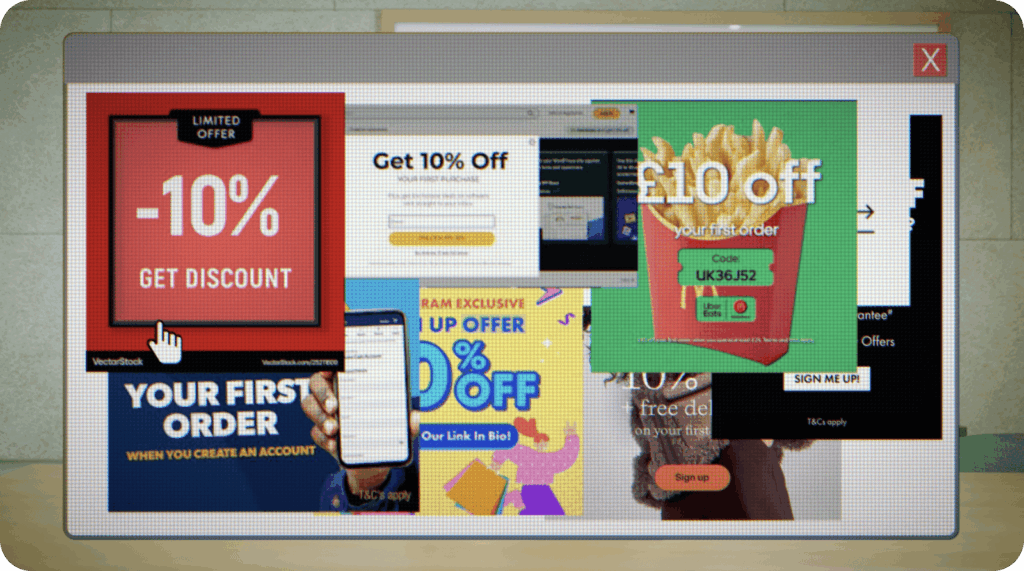
It isn’t “sign up for our newsletter.” That’s a list-building tactic that went out of date nearly ten years ago. It isn’t “get 10% off your first purchase” – that’s an acquisition mechanic that annoys every single visitor to your website. And it isn’t “we noticed you didn’t complete your purchase, can we help?” – that’s basket abandonment, a behavioral trigger. All of these tell you that someone started a journey. None of them tell you anything meaningful about who that person is or what they actually wanted.
Customer intent data is knowing:
- Who your customers are – not just their name and email, but their situation. Are they a beginner or experienced? Buying for themselves or someone else? Price-sensitive or value-driven?
- Why they came to your website – what brought them here specifically? Were they referred? Did they search for a problem you solve?
- What they’re actually looking for – not the product category, but the outcome. What does success look like for them?
- What might stop them from buying – price uncertainty? Too many choices? Not enough information?
- What they might buy next – if someone buys this product today, what does that tell you about what they’ll need in three months?
Your customers will give you this data willingly – if you ask the right questions, in the right way, at the right moment.
Three ways to collect it
1. The interactive product finder
A product finder is a short set of questions – four, five, maybe six – tailored to your product range, designed to understand who the customer is, what they’re trying to achieve, and which product is the right one for their specific situation.
It works because it does something nothing else on your website can do. It takes a customer who is problem-aware – they know they want something, they just don’t know exactly what – and turns them into solution-aware. They know exactly what to buy and why it’s right for them, in under a couple of minutes.
That’s the decision fatigue antidote. You’re not just reducing overwhelm – you’re replacing it with confidence. The recommendation was for them, because it was.
But here’s the part most people miss. The product finder doesn’t just help the customers who buy. It captures intent data from every single person who completes it – including the ones who don’t purchase. Those 99 visitors? If they completed your product finder, you now know who they are and what they were looking for. You’ve turned a lost visitor into a warm prospect with a detailed profile.
That data flows in two directions. Into your CRM at an individual level – so your follow-up emails are based on what someone told you about themselves, not inferred from a page visit. And into your analytics at a macro level – which products are being matched most frequently, where demand outstrips your current range, which customer segments you haven’t built products for yet.
2. The post-purchase survey
Most brands either don’t run post-purchase surveys or send a one-line email asking for a review. A handful of responses. Not much signal.
A well-structured post-purchase survey, at the right moment, is one of the most valuable data collection tools you have. Why? Because the customer is at peak trust. They’ve just made a decision to spend money with you.
The questions worth asking: What problem were they trying to solve? Have they bought anything like this before, and if so, why did they switch to you? How did they find you? What almost stopped them from buying? What else are they thinking about getting?
This data feeds directly into your product development – you start building what you know customers need rather than what you think they want. It feeds your marketing messaging, because you learn the exact language your customers use to describe their own problems. And it feeds your retention strategy, because you know the outcome they were hoping for and can make sure they achieve it.
3. The standalone assessment
This is the most underutilized tool in ecommerce, and it has the highest ceiling of the three.
A standalone assessment positions you as the authority before a purchase happens. It says: before you buy anything, let me help you understand where you are and where you need to go. It’s educational, genuinely valuable for your customers, and it builds the kind of trust that makes people come back.
A supplement brand can help customers understand their health goals, their current lifestyle, their dietary restrictions. A fashion brand can understand style preferences and occasions they’re shopping for. An interiors brand can help customers design a space before they buy a single product.
Every answer is a data point. Aggregated across thousands of completions, you start to see patterns you’d never find any other way – which segments exist within your customer base, what the highest-value customers have in common, which beliefs or situations are most correlated with a purchase decision.
That’s not just data collection. That’s a different kind of customer relationship.
Why this matters more now than it did two years ago
Third-party tracking is getting weaker and more restricted every year — which makes first-party and zero-party data more valuable than ever. iOS privacy changes have made tracking harder and more expensive. The idea that you can retarget your way to growth with inferred behavioral data is becoming less viable every single year.
At the same time, customer acquisition costs are rising. CPMs are up, CPCs are up. Every visit to your website is more expensive to acquire than it was. And customers now expect personalization that actually feels personal – not just “Hi [First Name]” in an email.
The brands winning the next five years will be the ones who build a direct relationship with their customers, grounded in data those customers have chosen to share. Zero-party data – information customers give you willingly because they get something genuinely valuable in return.
Whatever you’re selling, there’s more value you can give your customers that increases brand loyalty while delivering the intent data that makes every future marketing decision smarter.
Your next step: do what the best ecommerce brands are doing
Time needed: 30 minutes
1. Pick your starting point
Browse the ScoreApp ecommerce templates and pick the format that fits your biggest gap right now – product finder, post-purchase survey, or standalone assessment. Or skip straight to the AI builder and describe your store, your products, and what you want to understand about your customers.
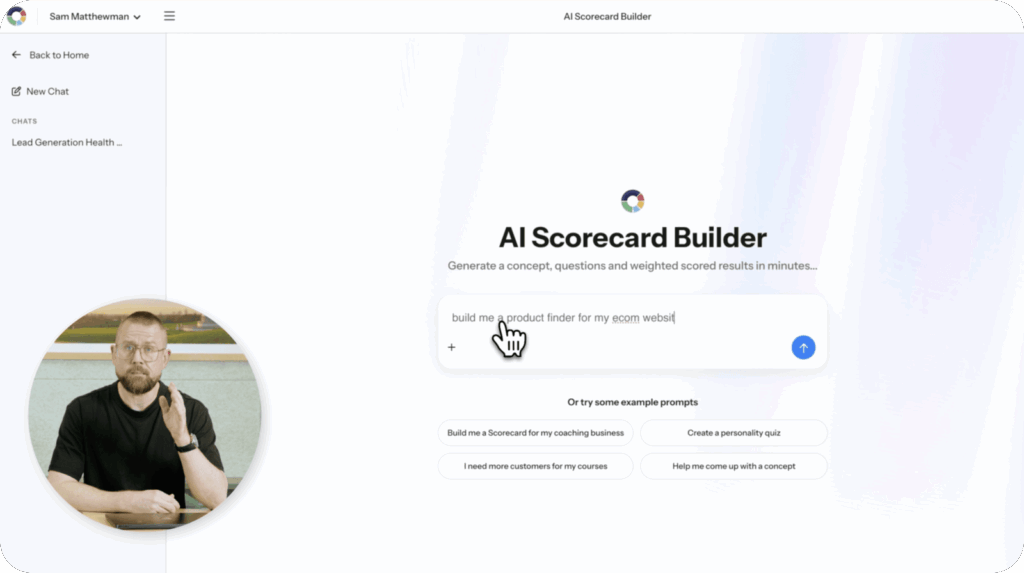
2. Build your first draft with the AI builder
Tell it what you sell, who your typical customer is, and what decision you’re helping them make. It’ll generate a smart first draft with questions, scoring logic, and the main structure. From there you can customize it, make it your own and tailor to your product range.
3. Add your intent questions
These are the questions that turn a completion into a data point. What is the customer trying to achieve? Are they buying for themselves or someone else? Have they tried anything like this before? What’s making them hesitate? Five to seven questions is all you need – and every answer feeds your CRM.
4. Set up your results page for the right next step
Ready to buy? Surface the product recommendation clearly with a direct add-to-cart link. Still deciding? Give them something genuinely useful – a guide, a comparison, a short video – that keeps them in your world without pushing them into a purchase they’re not ready for.
The brands that understand their customers best will win. Start building that understanding now.
Want to go deeper first? Read 9 ways ecommerce businesses can increase sales with a quiz before you build.
Tagged Topics
Related Posts